Introduction
Choosing the right health insurance provider is one of the most important financial decisions you will ever make. Many people focus on low premiums and quick registration without checking whether the provider is properly regulated. Enrolling in an HMO not accredited by NHIA may look affordable at first, but it can quietly expose your finances to serious damage.
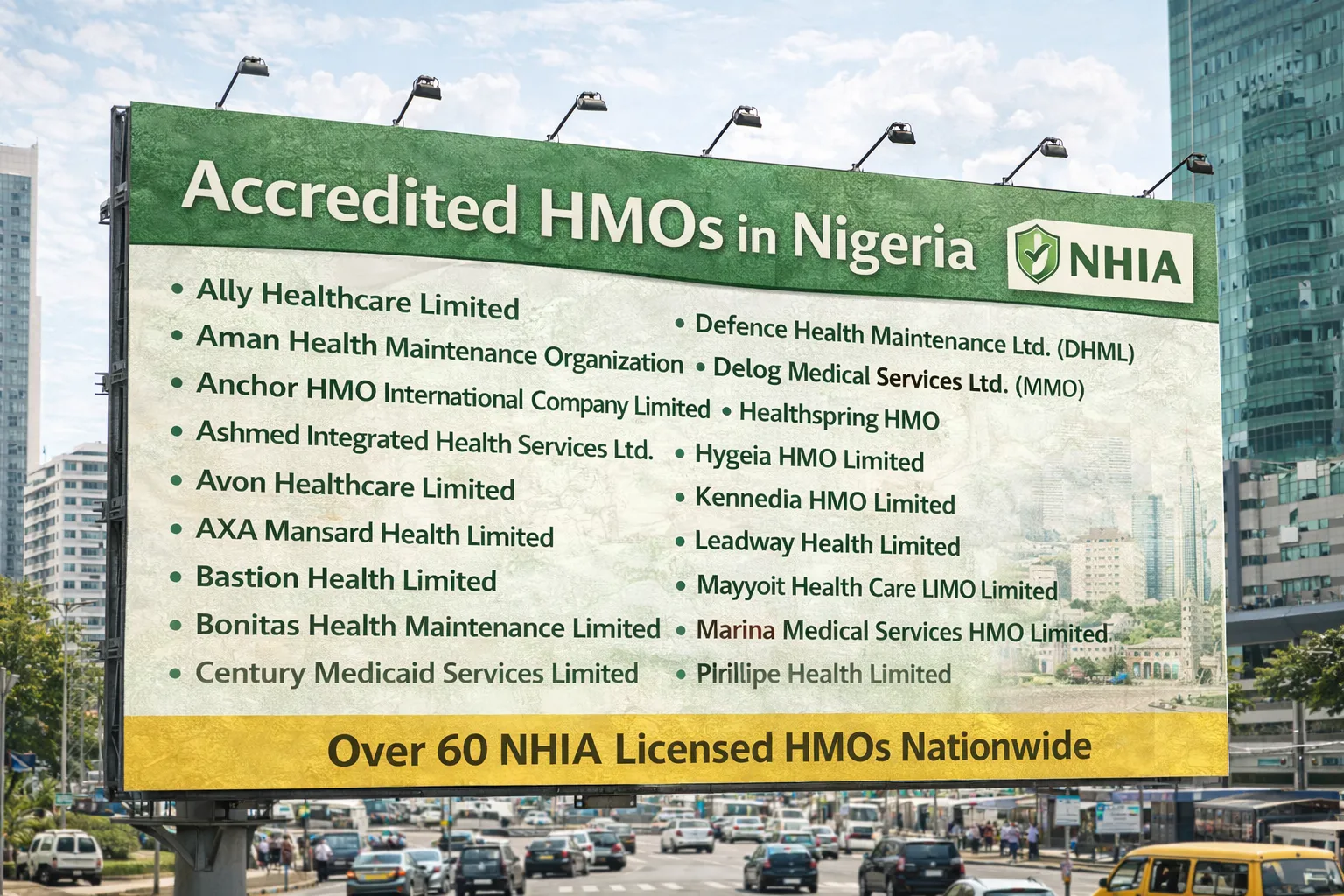
The National Health Insurance Authority regulates and supervises health insurance providers in Nigeria. You can verify accredited providers directly through the official NHIA website
. This step is simple, yet many people skip it.
When you choose an HMO not accredited by NHIA, you remove a major layer of financial protection. The consequences can go beyond inconvenience. They can affect your savings, your income, and even your long term financial stability.
Below are five major financial consequences that can happen when you enroll in an HMO not accredited by NHIA.
1 You May Pay Medical Bills Out of Pocket
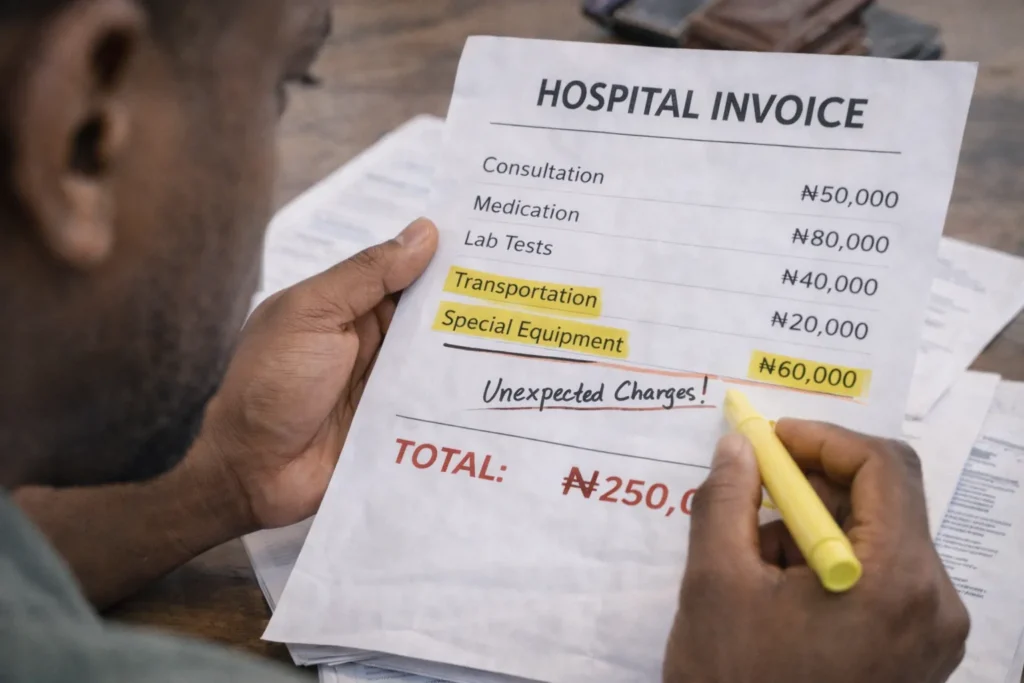
One of the most immediate financial dangers of choosing an HMO not accredited by NHIA is unexpected out of pocket expenses. Insurance exists to protect you from large medical costs. When that protection fails, the burden shifts directly to your wallet.
Accredited HMOs are required to maintain financial reserves and follow strict operational standards. This ensures hospitals are paid on time and members receive approved treatments without disruption. An HMO not accredited by NHIA may not have the financial stability to honor claims consistently.
Imagine walking into a hospital during an emergency and discovering that your insurance provider has unpaid debts with the facility. The hospital may refuse to treat you under the plan. In that moment, you either pay cash or delay treatment. Both options are financially and medically risky.
Surgery, maternity care, diagnostic tests, and specialist consultations can cost hundreds of thousands of naira. Without reliable coverage, your savings can disappear quickly. Some families even resort to loans to settle medical bills that should have been covered.
Choosing an HMO not accredited by NHIA increases the likelihood of these situations. What seemed like a small monthly premium can turn into a massive unexpected expense.
2 Your Premium Contributions May Be Wasted
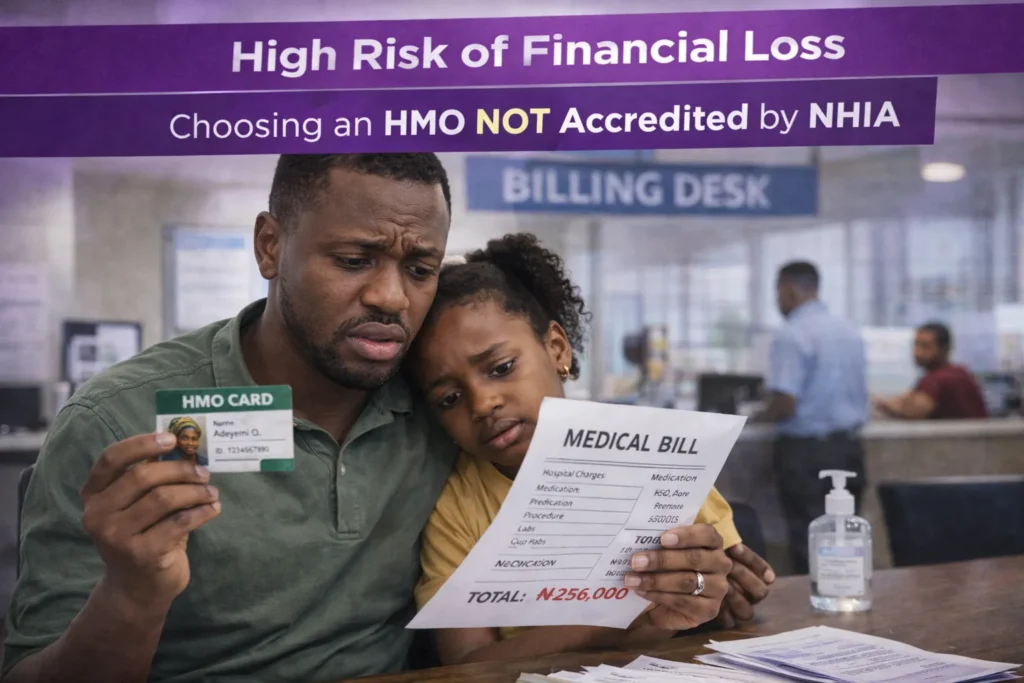
Every month, you pay premiums with the expectation of future protection. But with an HMO not accredited by NHIA, there is a risk that your contributions may not deliver value.
Accredited HMOs operate under regulatory supervision. They must comply with financial reporting and transparency requirements. This oversight reduces the risk of mismanagement and ensures funds are used appropriately.
An HMO not accredited by NHIA does not operate under the same strict supervision. Poor fund management can occur without early detection. In extreme cases, the organization may collapse or disappear, leaving members with unpaid claims and no refunds.
Think about it. Months or years of contributions can become unrecoverable. Instead of serving as a safety net, your payments become sunk costs. That is not financial planning. That is financial exposure.
Before enrolling, confirm accreditation through https://www.nhia.gov.ng/hmo/
or consult official regulatory listings from recognized authorities in Nigeria. Verification protects your money.
3 Delayed Claims Reimbursements Can Disrupt Your Income

Financial damage does not always come as a single large bill. Sometimes it comes as delayed reimbursements and disrupted cash flow.
An HMO not accredited by NHIA may lack efficient claims processing systems. Hospitals may wait longer for payment approvals. Reimbursements to members for unanticipated out of pocket payments for otherwise covered services can be delayed for weeks or months.
If you are a business owner or salaried employee, medical expenses can interrupt your ability to work. When reimbursements are delayed, you may need to use emergency funds to cover other treatment costs. This disrupts your financial planning and savings strategy.
Accredited providers are monitored to ensure timely claims handling. Regulatory oversight promotes accountability. Without it, members may experience repeated delays and limited transparency.
Cash flow stability is critical. Choosing an HMO not accredited by NHIA increases the risk of financial interruptions that extend far beyond hospital walls.
4 You May Face Hidden Charges
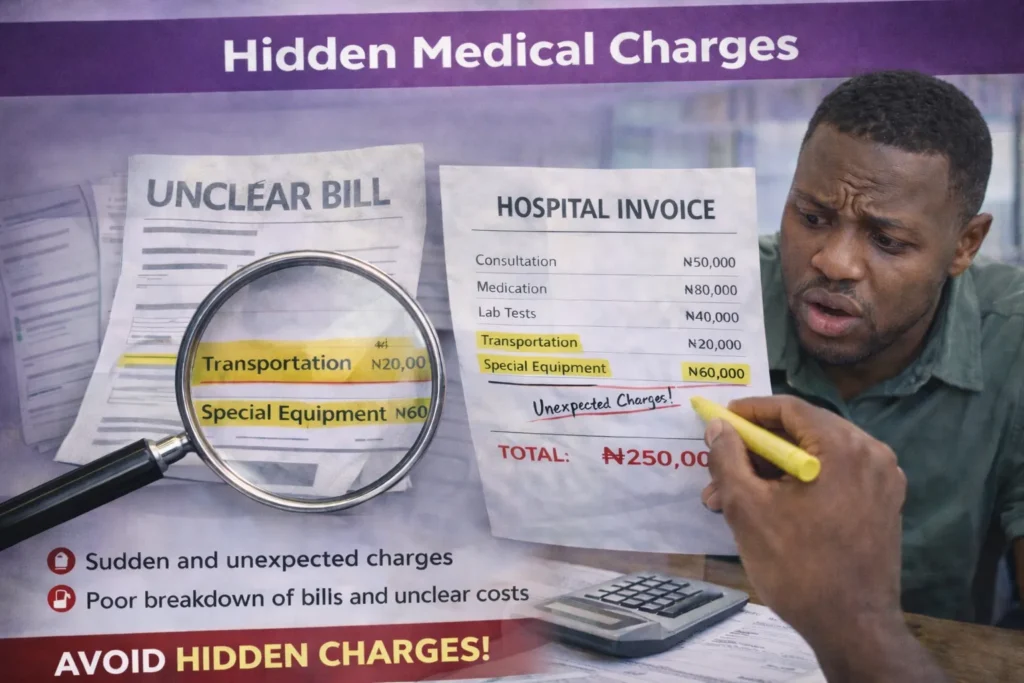
Low premiums can be attractive, but they often hide limited benefits. An HMO not accredited by NHIA may not follow standardized benefit structures required by regulators.
Accredited providers must clearly outline coverage limits and exclusions. Transparency is part of compliance. Unaccredited providers may use unclear language or omit important details during enrollment.
The result is unexpected co payments, service restrictions, and uncovered treatments. Instead of full coverage, you find yourself covering significant portions of medical expenses.
Hidden charges slowly erode your financial stability. What appears affordable becomes expensive over time. Always verify details with official sources such as the NHIA website to ensure the provider meets national standards.
Not sure which plan is right for you? Consult a health insurance specialist before making your decision. Click here to book a session.
5 Sudden Collapse Can Destroy Financial Plans

The most severe financial consequence is sudden shutdown. An HMO not accredited by NHIA may not meet the financial reserve standards required for long term sustainability.
If the organization closes unexpectedly, members lose coverage immediately. Ongoing treatments become self funded. Pending claims may remain unpaid. Family budgets are forced to adjust overnight.
Healthcare emergencies do not pause because an insurance company fails. Without regulated oversight, instability becomes a real risk.
Financial planning depends on predictability. An HMO not accredited by NHIA introduces uncertainty that can disrupt savings, investments, and long term goals.
Before enrolling, confirm accreditation status through official government sources such as https://www.nhia.gov.ng/hmo/ , This simple step can protects your financial future.
FAQ
- How do I verify an HMO not accredited by NHIA
Visit the official NHIA website at https://www.nhia.gov.ng/hmo/
and check the updated list of accredited providers. - Can I lose money if I choose an HMO not accredited by NHIA
Yes. You may face unpaid claims, hidden charges, and unrecoverable premiums. - Is NHIA accreditation mandatory in Nigeria
Yes. Accreditation ensures compliance with national health insurance regulations and consumer protection standards. - What should I check before enrolling in an HMO
Confirm accreditation status, review benefit packages, and verify hospital network partnerships. - Why is an HMO not accredited by NHIA risky for families
Because it can lead to financial instability, limited hospital access, and unexpected healthcare expenses.
| |||||||||||
| Odilo Alexander (Editor-in-Chief) is a registered Nurse RN BSN trained at the University of Benin and licensed by the Nursing and Midwifery Council of Nigeria. With over eight years of experience across clinical and managed care settings including leadership roles in claims management and HMO operations, AOBLOG provides practical and evidence based wellness and health insurance education for Africa. |