Introduction
The Ultimate Guide to Provider Network in Health Insurance starts with one simple truth: your insurance is only as good as the hospitals that accept it.
You can pay premiums consistently. You can choose what looks like a solid plan. But if the provider network is weak, limited, or unreliable, your coverage becomes frustrating when you need it most.
A provider network is the backbone of any health insurance plan. It determines where you can receive treatment, which doctors you can consult, and how smoothly your claims are processed. In Nigeria, understanding the provider network is even more important because healthcare access varies widely by location and facility quality.
If you truly want to understand how insurance works, you must understand how provider networks operate. That is exactly what this Ultimate Guide to Provider Network in Health Insurance will break down in simple, practical terms.
What Is a Provider Network in Health Insurance

A provider network is a group of hospitals, clinics, doctors, laboratories, and pharmacies that have formal agreements with a Health Maintenance Organization.
In simple terms, it is the list of healthcare facilities where you can use your insurance.
When you enroll in a plan, your HMO assigns you to a primary healthcare provider within its network. That facility becomes your first point of contact for consultations and referrals.
The strength of the provider network determines:
- Access to quality doctors
- Availability of specialists
- Ease of emergency treatment
- Geographical convenience
- Speed of service delivery
The Ultimate Guide to Provider Network in Health Insurance emphasizes this because many people choose plans based on price alone. That is a mistake. If your preferred hospital is not in the network, you may have to switch facilities or pay out of pocket.
Why Provider Networks Matter More Than You Think
Let us be practical.
Imagine you have insurance, but during an emergency, the nearest reputable hospital does not accept your plan. What happens next? You either travel farther for treatment or pay cash.
That is why the Ultimate Guide to Provider Network in Health Insurance stresses network evaluation before enrollment.
A strong provider network ensures:
- Wide geographic coverage
- Access to reputable hospitals
- Specialist availability
- Reduced out of pocket spending
- Faster verification and treatment
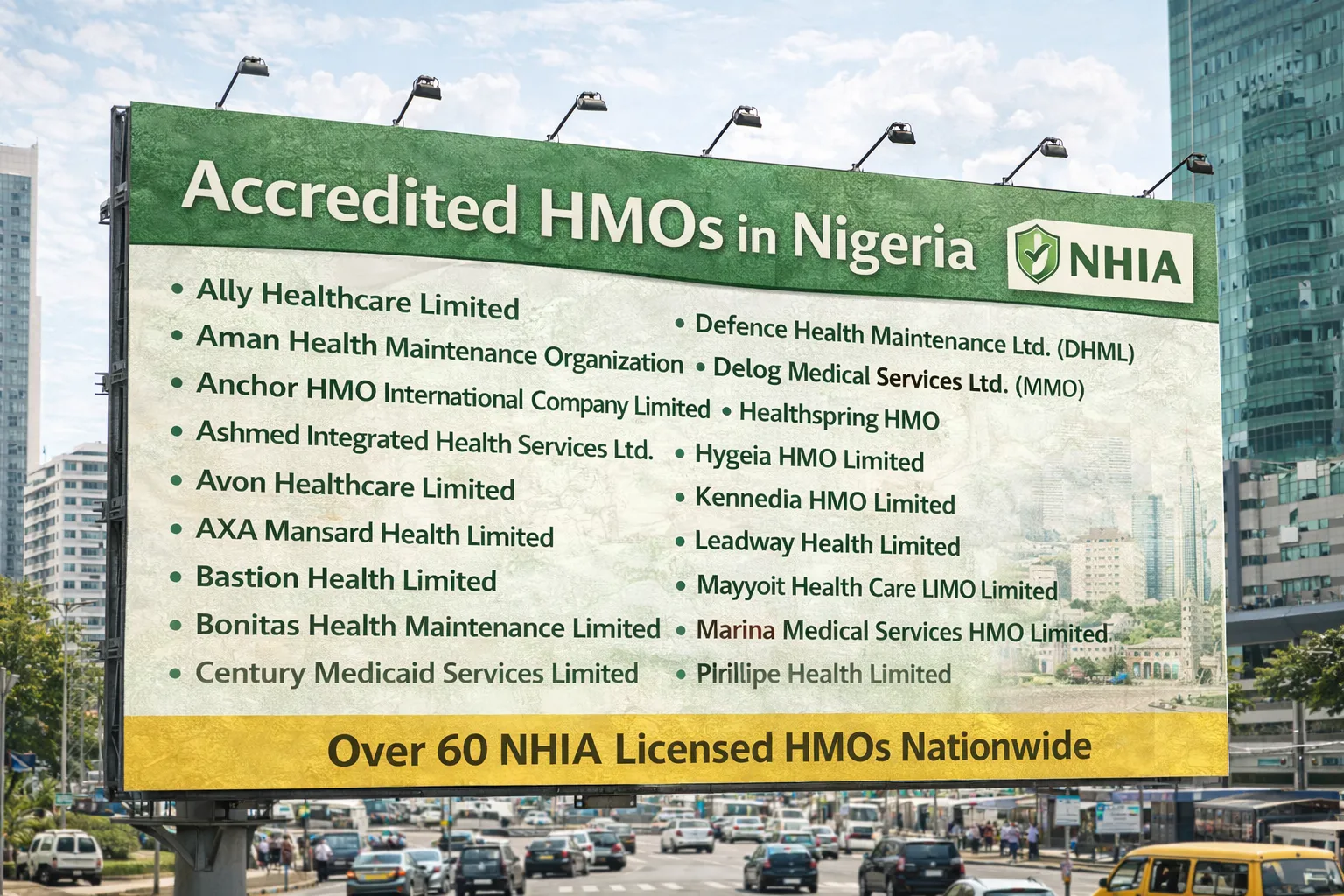
In Nigeria, you should always confirm whether the HMO and its network are accredited by the National Health Insurance Authority. You can verify through the official NHIA website at https://www.nhia.gov.ng/hmo/
.Accreditation ensures that both the HMO and its affiliated providers operate under regulatory standards.
How Provider Networks Work in Nigeria
Understanding the Ultimate Guide to Provider Network in Health Insurance requires knowing how the Nigerian system operates.
Here is the simplified process:
The NHIA regulates health insurance operations.
- Accredited HMOs establish agreements with hospitals and clinics.
- These facilities agree to specific pricing structures and service standards.
- Enrollees select or are assigned a primary provider within the network.
- Services are rendered, and the hospital bills the HMO directly.
- The agreement between the HMO and the hospital includes negotiated service rates. This structured pricing keeps costs predictable.
Without a provider network, insurance would not function efficiently. The network creates order, transparency, and accountability.
Types of Provider Networks
Closed Network
A closed network restricts members to a defined list of hospitals. Treatment outside this list is usually not covered except in emergencies.
This model keeps costs controlled but limits flexibility.
Open Network
An open network offers broader flexibility. Members may receive treatment outside the primary list, though reimbursement rules apply. This model provides convenience but may involve partial coverage.
Tiered Network
A tiered network categorizes providers into levels for example into TIER 1 TIER 2 and TIER 3 respectively depending on the HMO. Higher tier hospitals may require a higher premium of may even be found on certain customized health insurance plan and its subject to the HMO provider
This model allows members to balance cost and quality preferences.
Understanding these structures helps you choose wisely.
How to Evaluate a Provider Network Before Enrolling
Before signing up, ask these questions:
- Is my preferred hospital included
- Are specialists available within the network
- Is emergency care covered nationwide
- How many hospitals are in my city
- Are maternity and pediatric services accessible
Do not assume and do no rely only on what is presented on the marketing leaflet. Always Confirm and when in doubt you can always engage the service of a third party HMO specialist.
Let us consider an example.
A young couple expecting their first child enrolls in an insurance plan without checking maternity hospital options. Later, they discover that the closest maternity facility in their network is 40 kilometers away.
That stress could have been avoided.
The Ultimate Guide to Provider Network in Health Insurance always recommends requesting the full hospital list before paying premiums.
Red Flags in Weak Provider Networks
Some warning signs include:
- Very few hospitals listed
- No major facilities included
- Poor online presence or outdated directories
- Frequent complaints about claim delays
- Limited specialist availability
If you see these signs, pause.
A weak provider network often signals limited negotiation power or operational challenges.
The strength of your network determines the strength of your coverage.
The Ultimate Guide to Provider Network in Health Insurance emphasizes research because a weak network can make even a cheap plan expensive in the long run.
How Provider Networks Affect Your Finances
The connection between networks and finances is direct.
Strong networks reduce:
- Unexpected cash payments
- Travel costs for treatment
- Treatment delays
- Administrative stress
Insurance without a reliable provider network is like owning a phone without service coverage. It exists, but it does not function properly when needed.
Consider this scenario.
A child needs pediatric specialist care. If the specialist is within your network, the process is smooth. If not, you may pay privately.
Over time, these out of pocket costs add up.
How NHIA Protects Provider Networks
The National Health Insurance Authority ensures compliance with national standards. It regulates HMOs and promotes structured healthcare financing.
Through accreditation and oversight, the NHIA promotes:
- Financial accountability
- Service quality standards
- Structured complaint resolution between HMO operators and their affiliated providers
- Consumer protection
Common Mistakes People Make when choosing HMO
Choosing based on price alone
Ignoring hospital location
Failing to check maternity coverage
Not confirming specialist availability
Skipping accreditation verification
Each mistake can create inconvenience or financial stress.
Real Life Scenario Comparison
Family A chooses the cheapest plan without reviewing the provider network. Their nearest hospital is not covered. During emergencies, they pay cash.
Family B chooses a slightly higher premium plan with a strong network. Their preferred hospital is included. When a medical emergency occurs, billing is handled directly by the HMO.
Who experiences less stress?
The answer is obvious.
Conclusion
The Ultimate Guide to Provider Network in Health Insurance reveals one essential truth. Insurance is not just about coverage on paper. It is about real world access.
A strong provider network ensures you receive timely care, financial protection, and peace of mind. A weak one creates inconvenience and unexpected expenses.
Before enrolling in any plan in Nigeria:
- Review the hospital list carefully.
- Confirm specialist access.
- Verify accreditation
- Think beyond price.
Insurance works best when access works.
Choose wisely. Protect your family. Plan ahead.
Frequently Asked Questions
What exactly is a provider network in health insurance and why is it so important
A provider network in health insurance is the official list of hospitals, clinics, laboratories, pharmacies, and doctors that have signed agreements with your Health Maintenance Organization. These agreements define how services are delivered, how much they cost, and how payments are handled.
In simple terms, your provider network determines where you can actually use your insurance.
This is why the Ultimate Guide to Provider Network in Health Insurance places so much emphasis on networks. You may have a valid insurance plan, but if your preferred hospital is not part of the network, you may not be able to use your coverage there. That could mean traveling farther for treatment or paying out of pocket.
A strong provider network ensures:
Access to quality hospitals
Availability of specialists
Emergency coverage within your region
Reduced financial stress
A weak network limits your options and increases inconvenience. So while premiums matter, your provider network matters even more.
How can I check if a hospital is part of my HMO provider network
The first step is to request the official provider list directly from your HMO. Every accredited HMO should provide an updated list of network hospitals organized by state and city.
Second, visit the hospital physically or call their front desk to confirm that they still accept your specific insurance plan. Networks sometimes change, and it is wise to double check.
Third, verify that your HMO itself is accredited by the National Health Insurance Authority
. Accreditation ensures that your provider network operates under regulatory oversight.
For example, if you live in Ibadan and your HMO lists five hospitals in the city, confirm which one is closest to you and whether it provides the services you may need such as maternity or pediatric care.
Never assume that all private hospitals accept all insurance plans. Always confirm.
What happens if I go to a hospital that is not in my provider network
If you visit a hospital outside your provider network, several things may happen depending on your plan structure.
In a closed network plan, services outside the network are usually not covered except in life threatening emergencies. This means you may have to pay the full bill yourself.
In an open network plan, you may be required to pay upfront and then apply for reimbursement. However, reimbursement may only cover a percentage of the bill according to agreed limits.
For example, if you choose a hospital not listed in your provider network for a surgical procedure, your HMO may decline payment. This could result in significant out of pocket expenses.
Are all provider networks the same across Nigeria
No, provider networks vary significantly between HMOs.
Some HMOs have extensive nationwide networks that include major teaching hospitals, private specialists, and regional medical centers. Others may have smaller networks concentrated in specific cities.
For example, an HMO with a strong presence in Lagos may have fewer network hospitals in Kano or Enugu. That is why your location matters when evaluating a provider network.
When reading the Ultimate Guide to Provider Network in Health Insurance, remember this key point: network size and quality differ. Always evaluate the network in your specific state or city.
Do not rely on marketing slogans. Ask for the detailed list frm the prospective HMO before taking a decision.
Does a larger provider network always mean better coverage
Not necessarily, but it is often a strong advantage.
A larger network typically offers:
- More hospital options
- Better access to specialists
- Reduced travel time
- Greater flexibility during emergencies
However, size alone is not everything. The quality of hospitals in the network also matters. A smaller network that includes reputable, well equipped hospitals may be better than a larger network filled with unknown clinics.
For instance, having ten small clinics in your area may not be as helpful as having two well established hospitals with specialist services.
That is why i recommend balancing both size and quality when evaluating options.
How does NHIA protect provider networks in Nigeria
The National Health Insurance Authority regulates health insurance operations in Nigeria. It sets operational standards for HMOs and ensures compliance.
Through accreditation and monitoring, the NHIA promotes:
- Financial stability of HMOs
- Quality service standards
- Structured complaint resolution
- Transparency in provider agreements
This step ensures that your provider network operates under recognized regulatory oversight.
Without regulation, provider networks could become unstable, leading to unpaid claims or sudden termination of hospital agreements.
Can I change my primary hospital within a provider network
Yes, in most cases you can change your primary healthcare provider within your HMO network. However, there may be guidelines.
Some HMOs allow changes quarterly or annually. Others may permit changes after a minimum enrollment period.
If you relocate to another city, you can typically request reassignment to a hospital within your new location, provided it is in the network.
For example, if you move from Lagos to Abuja, you can apply to switch to a network hospital in Abuja. Always contact your HMO customer service for formal procedures.
How do provider networks affect emergency treatment
Emergency treatment policies depend on your plan type.
Many HMOs allow emergency care at the nearest hospital, even if it is outside the immediate network. However, the definition of emergency matters. It usually refers to life threatening conditions requiring urgent medical attention.
For non emergency cases, you may be required to visit a network hospital.
For example, in the case of a severe accident, immediate treatment is typically prioritized. After stabilization, you may be transferred to a network hospital for continued care.
What should families prioritize when evaluating a provider network
Families should focus on practical needs.
Check for:
- Maternity services if planning children
- Pediatric specialists for young children
- Chronic disease management facilities
- Proximity to home or workplace
- Availability of diagnostic laboratories
For example, a family with elderly parents should ensure the provider network includes facilities experienced in managing hypertension, diabetes, or cardiac conditions.
Insurance should match your lifestyle and health profile.
How often do provider networks change
Provider networks can change periodically due to contract renewals, performance reviews, or regulatory updates.
Hospitals may join or exit networks based on negotiations with HMOs. That is why it is important to check updated provider lists regularly.
Before renewing your insurance plan, request the latest network directory.
The Ultimate Guide to Provider Network in Health Insurance stresses staying informed because outdated assumptions can lead to unpleasant surprises.
What happens if my HMO removes my hospital from its provider network after I enroll
This is one of the most practical concerns people rarely think about until it happens.
Provider networks are based on contracts. Contracts can expire, be renegotiated, or be terminated. So yes, it is possible for a hospital to leave a provider network.
Let us look at a real life scenario.
Imagine you enrolled in an insurance plan because your preferred private hospital in Lekki was listed in the provider network. Six months later, you try to book an appointment and discover the hospital is no longer affiliated with your HMO.
What happens next?
First, your coverage does not disappear. Your HMO will assign you to another hospital within the network. However, convenience may be affected.
Second, if you are undergoing ongoing treatment, you may need to request continuity of care approval to complete your treatment cycle before switching providers.
Thus i highly recommend reviewing provider directories at least once a year. Networks evolve. Staying informed prevents disruption.
Before renewing your plan, always ask:
Has the provider network changed?
Are my key hospitals still included?
Being proactive protects you from last minute surprises.
What if I travel to another state and need medical care outside my provider network
Travel introduces another important layer to understanding the Ultimate Guide to Provider Network in Health Insurance.
Let us say you live in Abuja but travel to Enugu for work. Suddenly you develop severe symptoms and need hospital care.
What happens?
It depends on your HMO structure.
Some provider networks are nationwide. Others are region specific.
If your plan includes nationwide network access, you can visit any listed hospital in that state.
If not, you may need emergency approval or pay out of pocket and apply for reimbursement later.
Here is a practical tip you must not take for granted:
Before traveling, ask your HMO for the list of network hospitals in your destination city. Save emergency contact numbers in your phone.
Preparedness reduces stress.
Insurance is not just about where you live. It is about where life may take you.
What if my provider network hospital lacks a specialist I urgently need
This is where provider network strength becomes extremely important.
Imagine your primary network hospital does not have a cardiologist, but you are diagnosed with a heart condition.
In most cases, your primary hospital will refer you to another specialist hospital within the same provider network. That is how structured systems work.
However, if your HMO network is limited and lacks specialists, you may face delays or additional costs.
Always evaluate not just general hospitals, but specialist availability within the network.
Ask questions like:
Does the network include orthopedic specialists?
Are pediatric specialists available?
Are advanced diagnostic centers included?
A strong provider network anticipates complex needs, not just routine checkups.
Can a hospital in my provider network still charge me extra fees
This is a common concern.
Even within a provider network, some plans include copayments or service limits. For example:
You may pay a small consultation fee.
Certain advanced tests may require partial payment.
Some premium wards may not be covered.
However, hospitals within the network cannot arbitrarily inflate charges beyond agreed structures.
If you ever feel overcharged, contact your HMO immediately. Accredited systems include dispute resolution processes.
Please note that the empasis here is clarity. Before enrolling, ask:
- Are there copayments?
- What services require additional fees?
- Are private rooms included?
Transparency prevents frustration.
What is the difference between being assigned a primary provider and having full network freedom
Many Nigerians misunderstand this.
In most HMOs, you are assigned a primary healthcare provider. This facility handles your routine care and coordinates referrals.
You cannot simply walk into any network hospital without following proper referral processes unless it is an emergency.
Here is a relatable example.
Tunde enrolls in a plan and is assigned to Hospital A. One day, he decides to visit Hospital B within the same provider network without a referral. He may be denied coverage for that visit.
Why?
Because structured referral systems prevent abuse and ensure medical history continuity.
This Ultimate Guide to Provider Network in Health Insurance encourages members to understand referral rules clearly. It is not about restriction. It is about coordination.
How do provider networks impact maternity care specifically
Maternity care is one of the most sensitive areas for families.
If you are planning to have a baby, your provider network matters deeply.
Imagine enrolling in a plan without checking maternity hospital options. Later, you discover:
The nearest network hospital does not have a delivery ward.
The maternity coverage has a waiting period.
Specialist obstetricians are limited.
These oversights can cause stress during pregnancy.
I would strongly advice expecting parents to:
- Confirm maternity coverage.
- Verify hospital maternity facilities.
- Ask about neonatal care availability.Understand waiting periods.
Maternity planning requires early enrollment and careful network evaluation.
What role does technology play in modern provider networks
Provider networks are becoming more technology driven.
Today, many HMOs offer:
Digital verification systems.
Online provider directories.
Mobile apps for hospital search.
Electronic referrals.
This improves speed and reduces administrative delays.
For example, instead of waiting for paper approvals, hospitals can verify your enrollment instantly through digital platforms.
A technologically integrated provider network often means smoother service.
Ask your HMO:
Do you have an app?
Is your provider directory updated online?
How quickly can verification be done?
Efficiency matters during emergencies.
How can I compare two provider networks objectively
This is where strategy comes in.
Instead of relying on marketing language, create a simple checklist:
Number of hospitals in your city.
Inclusion of major medical centers.
Availability of specialists.
Emergency coverage policies.
Maternity services.
Chronic disease support.
Geographical spread.
Then compare both HMOs side by side.
For example:
HMO A includes 15 hospitals in Lagos including two teaching hospitals.
HMO B includes 6 smaller clinics.
The difference becomes clear.
The whole idea is to encourage comparison based on access, not advertising.
What should corporate employers look for in a provider network
Employers must think at scale.
When selecting an HMO for staff, employers should evaluate:
Nationwide coverage for traveling employees.
Specialist availability for diverse medical needs.
Network stability and history.
Employee feedback about hospital experiences.
A weak provider network can lead to staff dissatisfaction and increased absenteeism.
Insurance is part of employee welfare strategy.
The Ultimate Guide to Provider Network in Health Insurance applies to both individuals and organizations.
What is the single biggest mistake people make regarding provider networks
Assumption.
People assume:
All hospitals accept insurance.
All HMOs cover the same facilities.
All provider networks are equal.
Assumption leads to disappointment.
The safest approach is verification.
Request the hospital list.
Call your preferred hospital..
The purpose of the entire process is to replace assumption with informed decision making.
Final Thought on Provider Networks
If there is one message to remember, it is this:
Insurance is about access, not just paperwork.
A provider network determines how smoothly your healthcare journey unfolds. It affects your finances, convenience, stress levels, and medical outcomes.
Take your time.
Ask questions.
Verify details.
Choose access wisely.
I wish you all the best.
| |||||||||||
| Odilo Alexander (Editor-in-Chief) is a registered Nurse RN BSN trained at the University of Benin and licensed by the Nursing and Midwifery Council of Nigeria. With over eight years of experience across clinical and managed care settings including leadership roles in claims management and HMO operations, AOBLOG provides practical and evidence based wellness and health insurance education for Africa. |